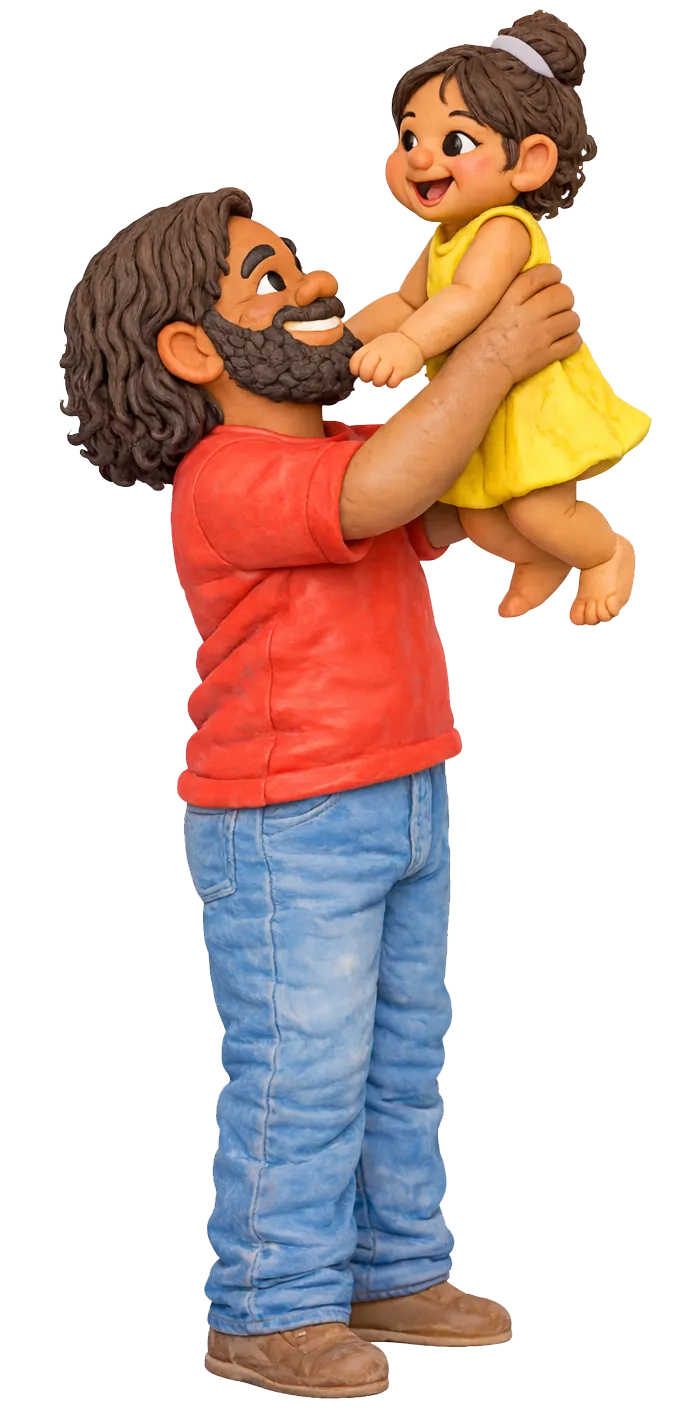
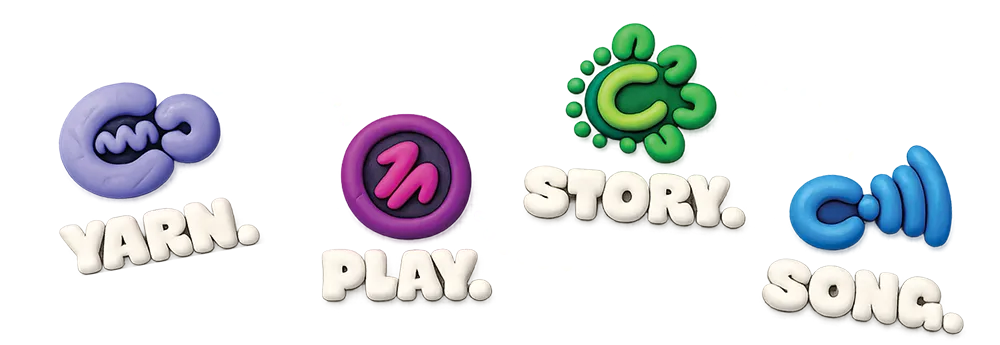
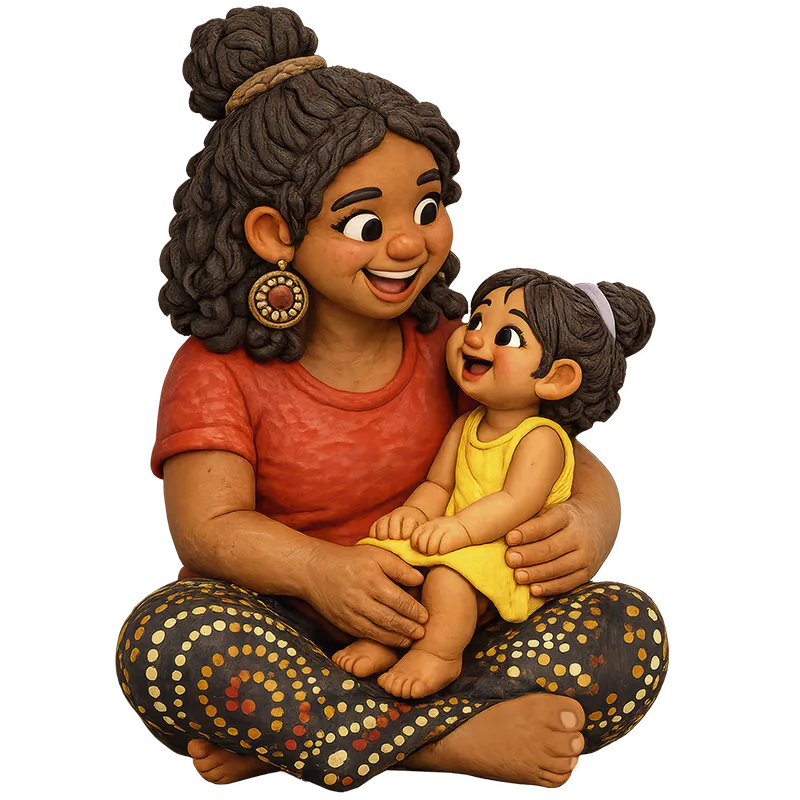
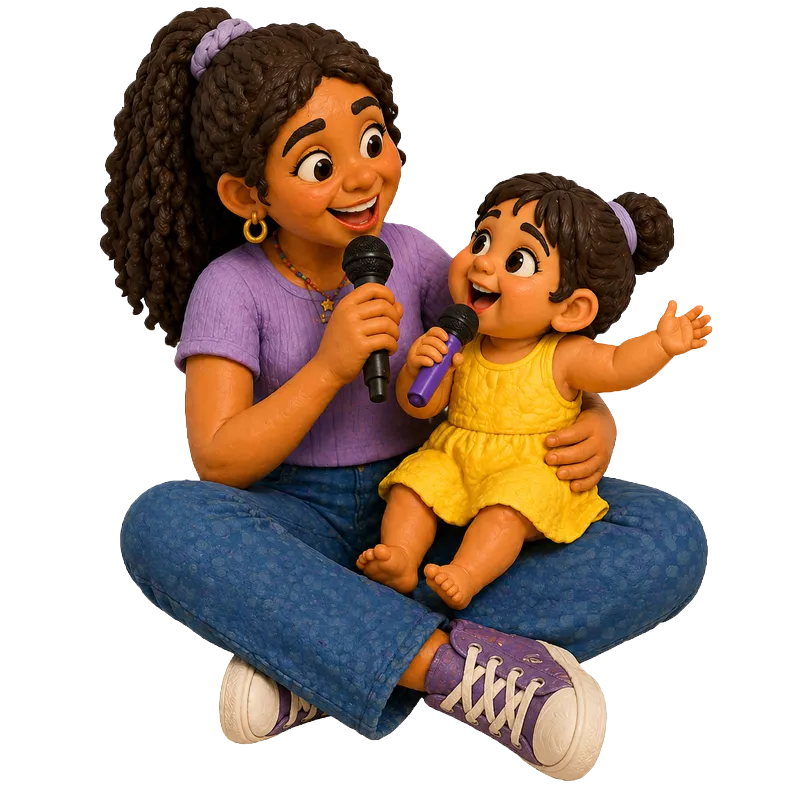
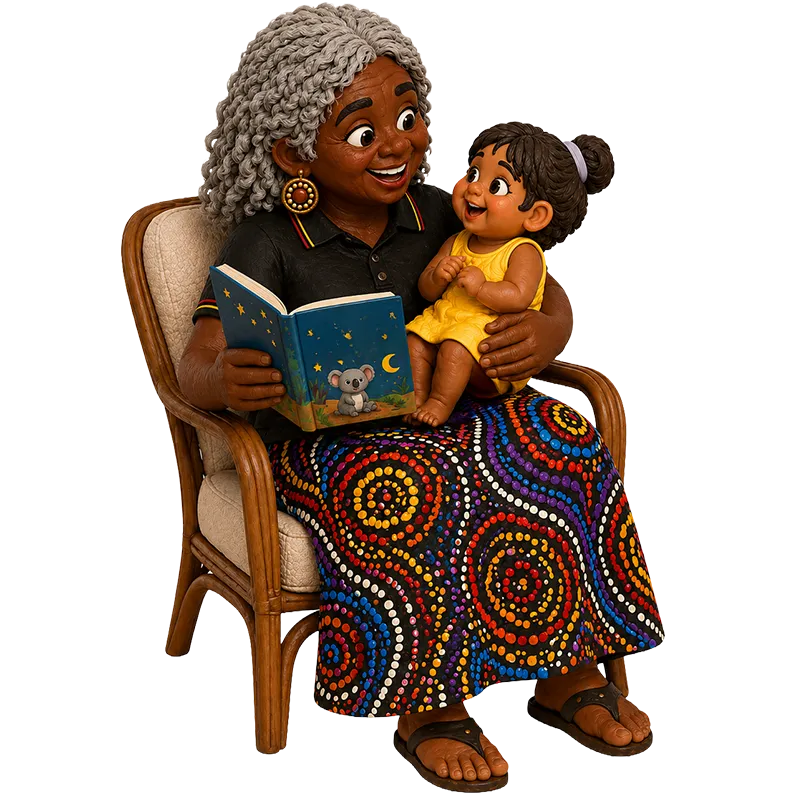
From the very beginning, babies learn through connection. When we yarn, share stories and sing together, we teach our bubs in ways that help grow deadly minds and a strong sense of belonging.
In the first three years of life, a baby’s brain is growing faster than at any other time, shaped by the voices, stories and love around them.
Shaping Deadly Minds is about strengthening those everyday moments. When we yarn, play, share stories, or sing, we are helping our children build language, confidence and a strong sense of belonging to family, culture and Country.
Whether you are a Mum, Dad, Nan, Pop, Auntie, Uncle or carer, your connection matters. The time you spend talking, laughing and sharing culture helps grow deadly young minds and proud, strong futures.
Shaping Deadly Minds program focuses on strengthening early childhood outcomes through culturally grounded, strengths-based approaches aligned with Aboriginal ways of knowing, being and doing. The program will be piloted in metro Adelaide, Port Augusta and Whyalla from August 2026. As part of the pilot, families will receive baby and preschool resource packs filled with books, play materials and practical ideas to support learning at home.
Shaping deadly minds starts early, in homes, communities and early learning spaces. We aim to support families and carers with quality, culturally relevant, practical and meaningful resources to help nurture everyday moments.
Shaping Deadly Minds family resource packs encourage families to yarn, play, read and sing together – enjoying simple, everyday moments that make a lasting difference to children’s learning, growth and relationships.
During the program pilot phase, resource packs are available through Aboriginal early years services, and community centres in metro Adelaide, Port Augusta and Whyalla.
Growing Deadly Minds backs our families and celebrates our voices, because strong connection grows strong minds.
Raising Literacy Australia recognises and pays respect to Aboriginal and Torres Strait Islander peoples, their ancestors and the Elders past, present and future from the different First Nations across this country. We acknowledge the importance of connection to land, culture, spirituality, ancestry, family and community for the wellbeing of all Aboriginal and Torres Strait Islander children and their families.