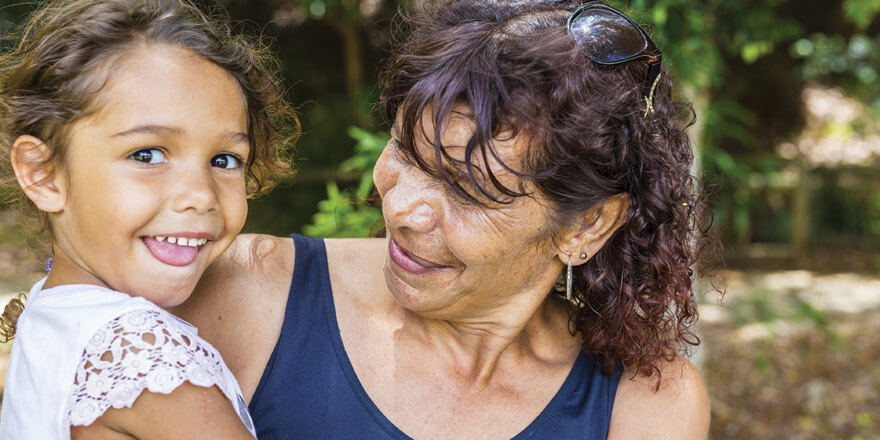
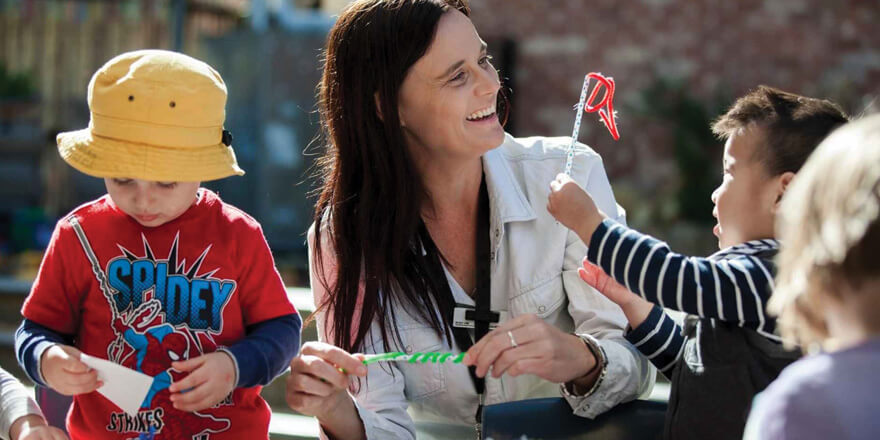
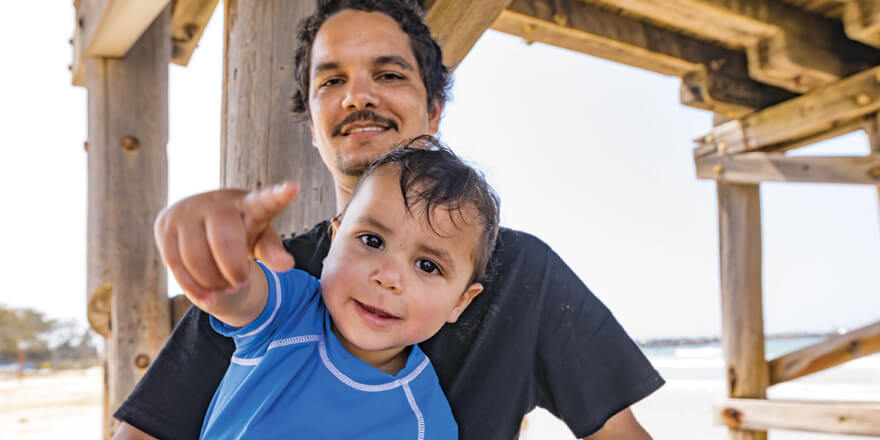
A child’s earliest experiences have a more significant influence on a child’s brain development than genetics alone. More than a million new connections are made in the brains of young children every second in their first three years, and this period has a greater impact on their future outcomes than any other point in their lives.
When you respond to a child’s invitation to interact with you, you are literally building their brains through establishing neural connections. It could be a hug, soothing sounds or words, or even simply eye contact and a smile, all appropriate responses contribute to the shaping of your child’s brain architecture.

Want to know how to better understand your toddler? Watch this insightful webinar from our friends at Parenting SA with family therapist Mandy Seyfang. Mandy talks about how you can navigate the world of toddlers, their emotions and their behaviour by focusing on how to build a strong connection and see the world through their eyes.
In this video from Raising Children Network, Aboriginal parents talk about routines. They say that having some structure to your day helps children know what’s coming next. It helps children feel safe and can reduce family stress. Routines also help children learn healthy habits like brushing teeth, washing hands and eating regular meals. And routines help you get children ready in the morning and into bed at night.
Raising Literacy Australia recognises and pays respect to Aboriginal and Torres Strait Islander peoples, their ancestors and the Elders past, present and future from the different First Nations across this country. We acknowledge the importance of connection to land, culture, spirituality, ancestry, family and community for the wellbeing of all Aboriginal and Torres Strait Islander children and their families.